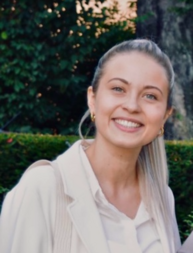
Dr. med. Maria Schubert Groupleader Tel.: +49 (0)251 83 56095 E-Mail: Maria Schubert
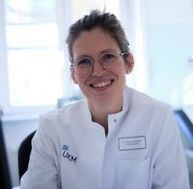
I work as an Advanced Clinician Scientist at the Department of Andrology, where I can combine my two passions: clinical medicine and scientific research. I lead the Translational Andrology research group, which focuses on the yet unexplained causes of male infertility. Our aim is to identify additional genetic risk factors that may impact fertility. We are also investigating why some infertile men are at higher risk of developing comorbidities later in life. What I find especially rewarding is the close interdisciplinary collaboration with other research groups, for example through ReproTrack.MS, ProCon.MS, and an IMF-funded project.
I have had a particular interest in andrology since my student days and am now specialising in genital gender reassignment surgery and male reproductive health. Throughout my career, I have gained valuable experience working at several national and international reference centres, and I now work as a clinical researcher in Group A of ReproTrack.MS. Our aim is to confirm infertility as a risk factor for the development of comorbidities, understand the underlying mechanisms, and develop new prevention programmes based on this knowledge in the long term.
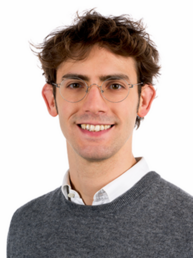
Jelena Leurer Research Assistant
I am currently in my second semester of a master's degree in biosciences at the University of Münster. As part of my studies, I have the opportunity to gain valuable insights into idiopathic male infertility while working as a student assistant in the workgroup Translational Andrology. This allows me to gain valuable practical knowledge in this field. My responsibilities include patient selection, literature search, and performing genotyping using RT-PCR.
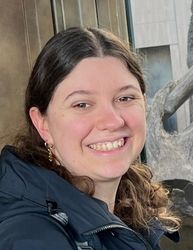
Lukas Lohkamp Doctoral Candidate
I studied medicine at the University of Münster and focused on unexplained, or idiopathic, male infertility as part of my doctoral thesis. I analyzed data from the specialized outpatient clinic for infertile men at the CeRA, with a particular focus on FSH polymorphisms. What motivates me most is the fact that the cause of a patient’s infertility often remains insufficiently explained. Through my doctoral research, I aimed to help identify new patient subgroups in order to make diagnoses more comprehensible and to pave the way for targeted therapies.
Since graduating, I have been working as a resident physician at the Herz-Jesu Hospital in Hiltrup.
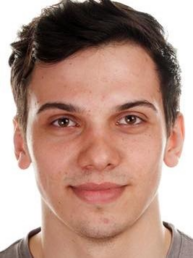
Vanessa Schwarzkopf Research Assistant
I studied biosciences at the University of Münster and wrote my master's thesis at the Center for Reproductive Medicine and Andrology (CeRA). My thesis focused on endocrinological aspects, in particular the role of follicle-stimulating hormone (FSH) in relation to azoospermia. I am currently continuing to work as a research assistant at the CeRA and am focusing on various topics in the field of idiopathic infertility. My particular research interest is the identification of causes and treatment options for male infertility and the hormonal regulation of male reproductive functions. I especially appreciate the close connection between research and clinical practice, which is ideally combined at the CeRA.