

Molecular Imaging of Endothelin Receptors in the Pathogenesis of Atherosclerosis
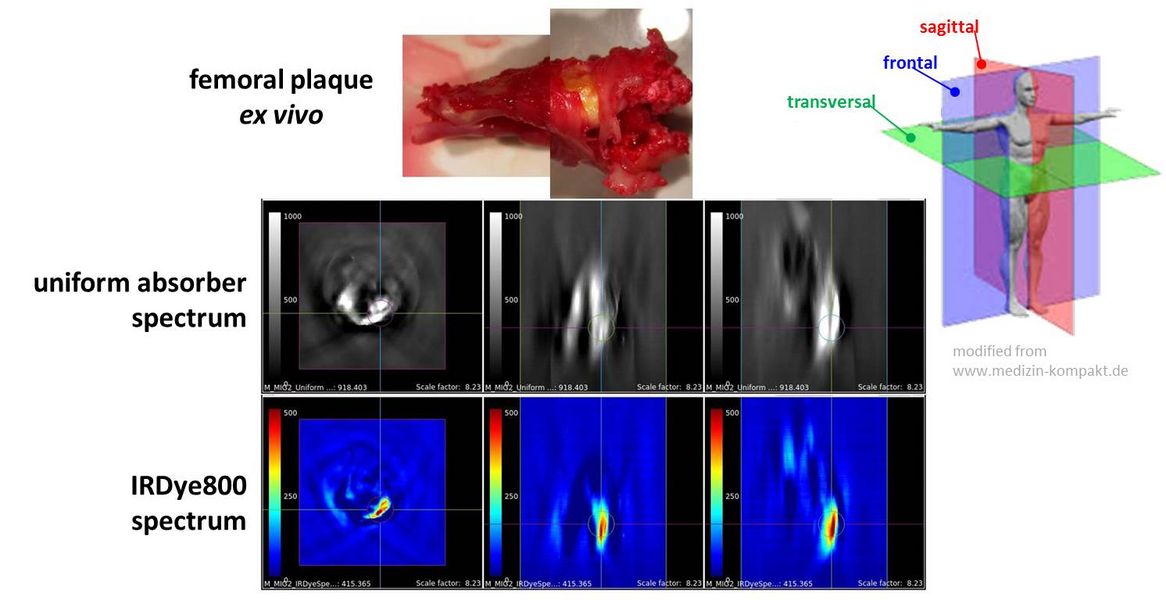
The project aims to investigate the effect of factors such as smoking, diabetes, high blood pressure, obesity, or certain medications (e.g., statins, diuretics) on the expression of endothelin receptors during the pathogenesis of atherosclerosis. Endothelin receptors (ETRs) have already been identified at the cellular level as proteins involved in the pathogenesis of atherosclerotic plaques and are also implicated in diseases considered risk factors for atherosclerosis. ETRs thus represent both diagnostic and therapeutic targets. Similarly, it has not yet been clearly established how endothelin receptor expression changes within the context of the pathophysiology of atherosclerosis and what influence atherosclerotic risk factors have on their expression. The focus of the project is therefore on the molecular biological analysis of endothelin receptor expression in murine atherosclerotic mouse models and human specimens, taking into account atherosclerosis-promoting risk factors.In addition to gene expression analysis, which is expected to provide a more precise understanding of the endothelin system’s role in the development and progression of atherosclerosis, the study aims to evaluate whether changes in receptor expression can be visualized using fluorescence-based molecular imaging techniques such as Fluorescence Molecular Tomography (FMT), Fluorescence Reflectance Imaging (FRI), and Multispectral Optoacoustic Tomography (MSOT). In addition to the non-invasive three-dimensional visualization of anatomical structures with high spatial resolution, the latter also allows for the visualization of specific tissue characteristics, such as local oxygenation. As part of the study, we will investigate the fluorescence probe against the endothelin-A receptor (ETAR) that we have already established for ex vivo and in vivo detection of ETAR in murine and human tissue. We aim to demonstrate that the pathogenesis of atherosclerosis in humans is associated with changes in the expression of endothelin receptors and that these changes in expression can be visualized using molecular imaging.