


MalariAI - Deciphering the multiple causes of malaria risk through AI in Amazon communities
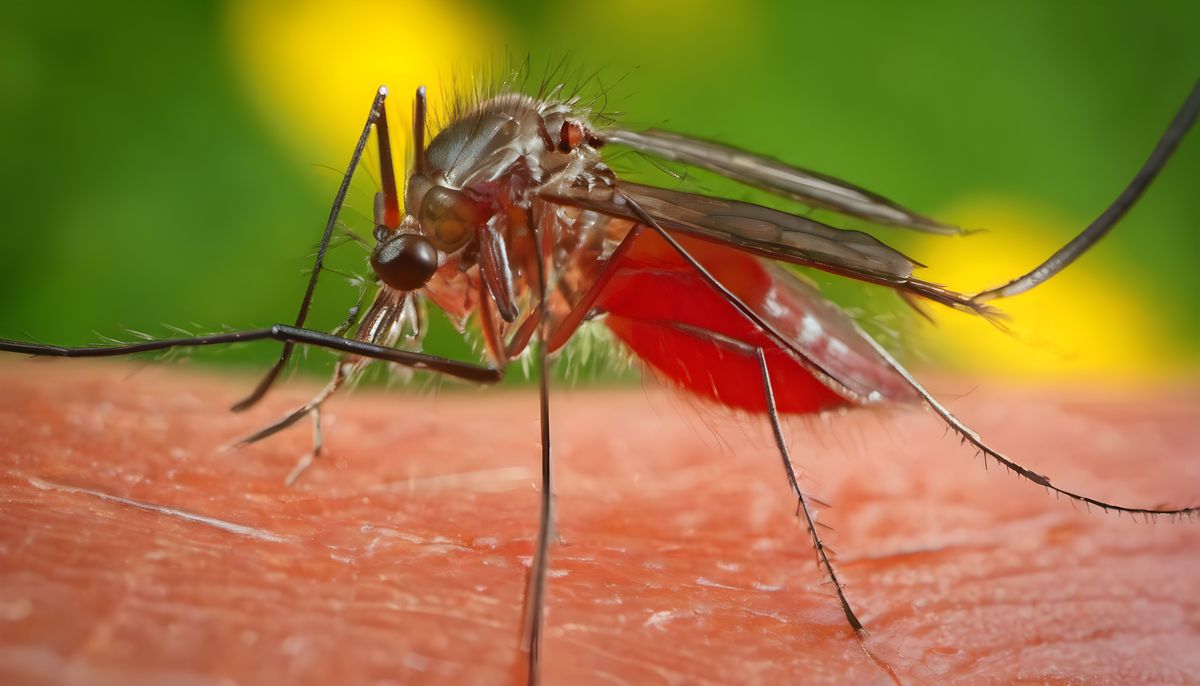
Malaria is one of the world's most pressing global health challenges and poses a significant threat to millions of people, particularly in tropical and subtropical regions burdened by poverty, limited access to health care and adverse environmental conditions. Globally, there were an estimated 249 million malaria cases in 2022 in 85 malaria-prone countries and territories, including the Amazon region of Brazil.
The MalariAI project, funded by the Federal Ministry of Education and Research (BMBF), investigates the diverse causes of the risk of malaria in Amazon communities and uses modern methods of artificial intelligence (AI) and causality analysis. The aim is to unravel the complex interactions between genetic, environmental, socioeconomic and behavioral factors that influence an individual's risk of malaria infection. By using AI and causal modeling approaches, tailored prevention and control strategies for risk groups are to be developed.
The research results have the potential to not only improve understanding of malaria in Brazil, but also influence global malaria control strategies. The insights gained will serve as a basis for the broader application of AI in epidemiology and thus advance the global fight against malaria.
The project involves close international collaboration with working groups at the University of São Paulo.
Contact: Dr. rer. nat. Adèle Ribeiro

Funding reference number: 01DN24022