nAIonate – AI-supported prediction of relevant pathogen clusters in neonatology
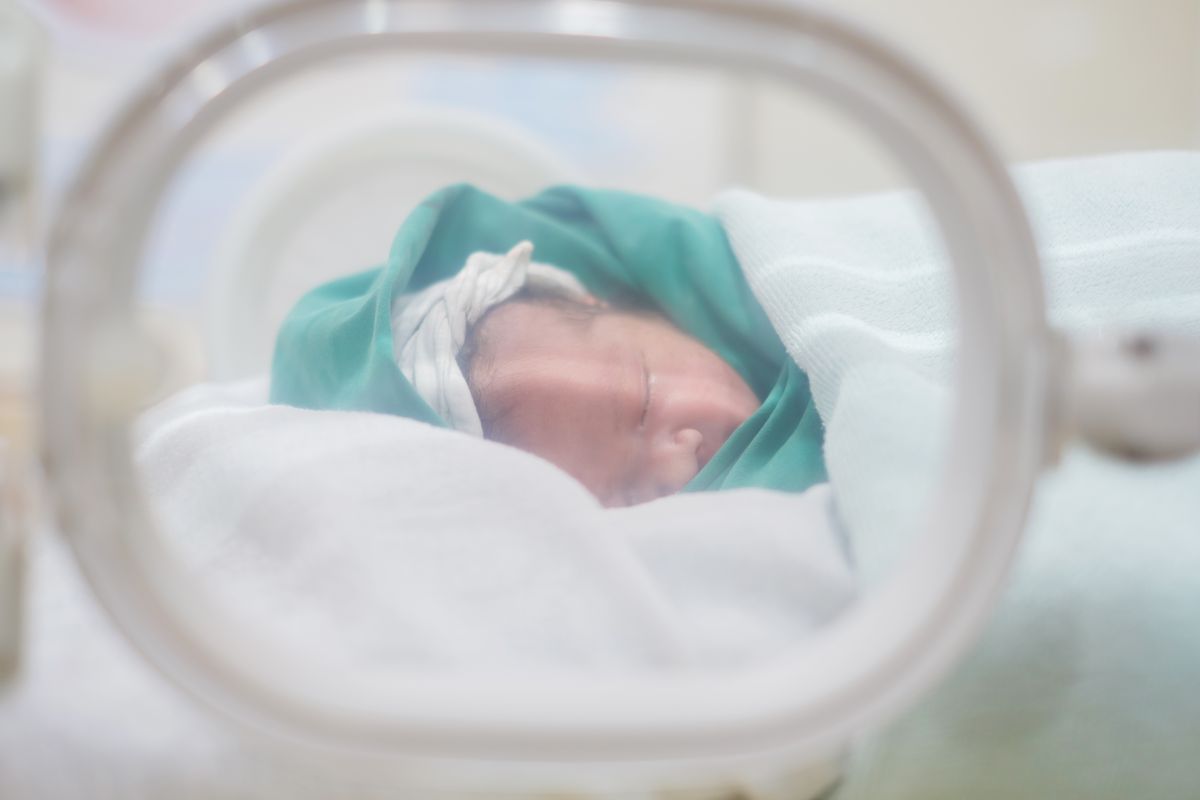
Nosocomial (hospital-acquired) infections pose a particular risk in neonatology, as preterm and newborn infants are especially vulnerable due to their immature immune systems and the need for intensive medical interventions. Pathogen transmission is often only recognized once several patients have already been affected.
The nAIonate project develops an AI-based prediction model for the early identification of relevant pathogen clusters. To this end, routinely collected epidemiological, movement, and treatment data from patients are combined with genomic information on the pathogens.
Using modern machine-learning methods, including deep learning and random-forest approaches, the project aims to identify risk constellations for the emergence and spread of pathogen clusters and to detect affected patients. Particular emphasis is placed on model interpretability, calibration of predictions, and the analysis of potential causal relationships.
The goal is to provide targeted support for infection prevention, reduce unnecessary alerts and interventions, and enable sustainable, risk-adapted genomic surveillance. This approach contributes to improving quality of care and is, in principle, transferable to other institutions.
nAIonate is conducted as a collaborative project in close cooperation with Charité (Institute of Hygiene and Environmental Medicine, Department of Neonatology, Berlin Institute of Health Next Generation Sequencing) and the Institute of Bioinformatics and Systems Biology at the University of Giessen. Within the project, IMI is responsible for developing the AI-based prediction model for pathogen clusters.
Contact: Adrian Nahmendorff, M.Sc
Funding reference number: 01VSF25052