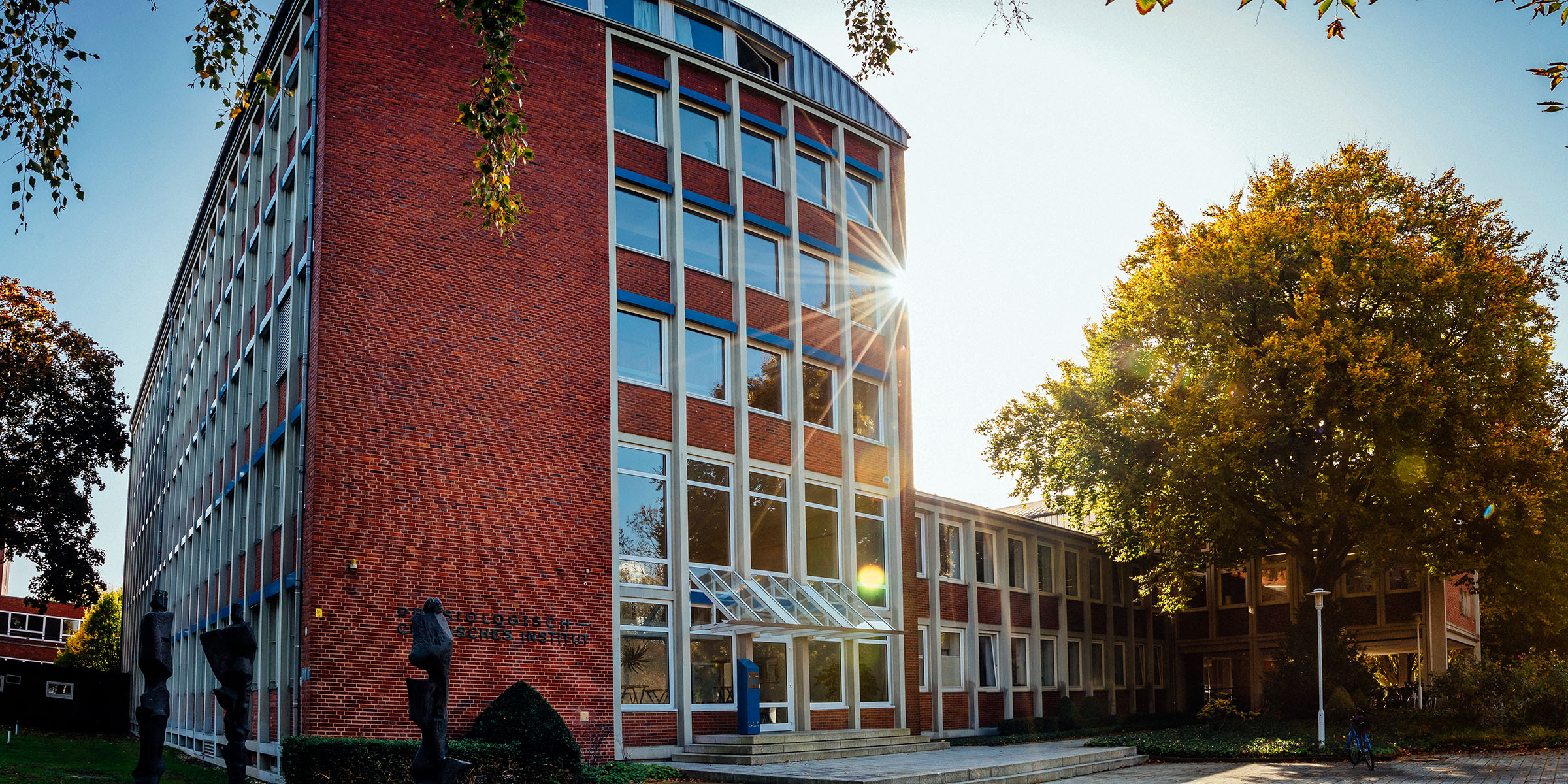

The institute is part of the center of preclinical medicine of the medical faculty of the University of Münster.
Physiological Chemistry is the old name for biochemistry with medical questions; many biochemical institutes at medical faculties are still designated as such. Pathobiochemistry is the study of diseases as deviations from normal biochemical processes.
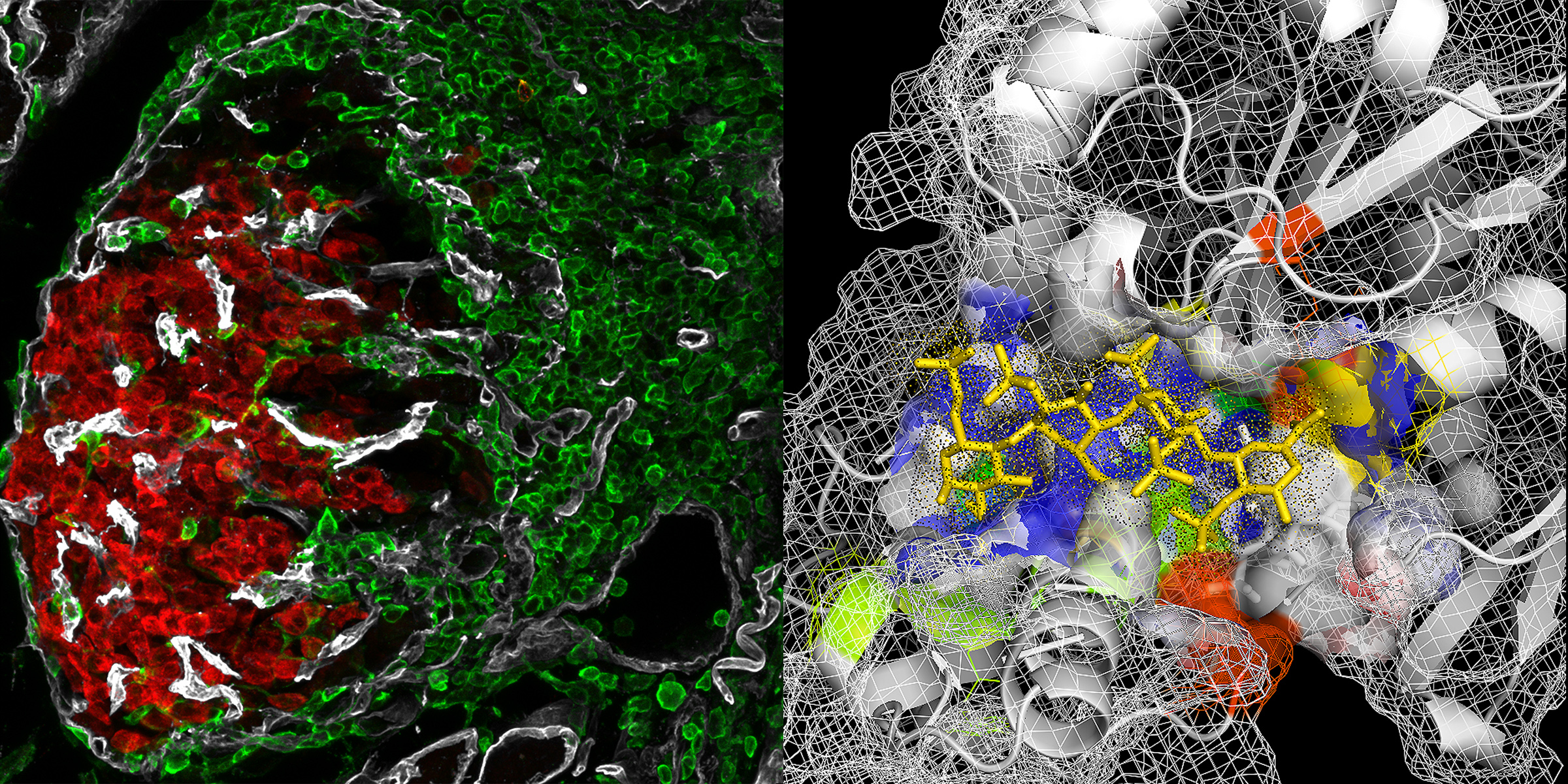
Research in the institute is focused on the structure and function of the extracellular matrix and integrin receptors, and how cell-matrix interactions affect developmental processes, tissue homeostasis and pathophysiological processes such as inflammation.
In addition, intracellular sorting of proteins is studied and how this contributes to ageing.
The Institute has been home to spokespersons for the DFG-funded Collaborative Research Centres (CRCs/ SFBs) CRC310 ‘Intra- and Intercellular Recognition Systems’, CRC492 'Extracellular Matrix; Biogenesis, Assembly and Cellular Interactions’, and the 'Cells-in-Motion’ (CiM) Cluster of Excellence EXC1003.
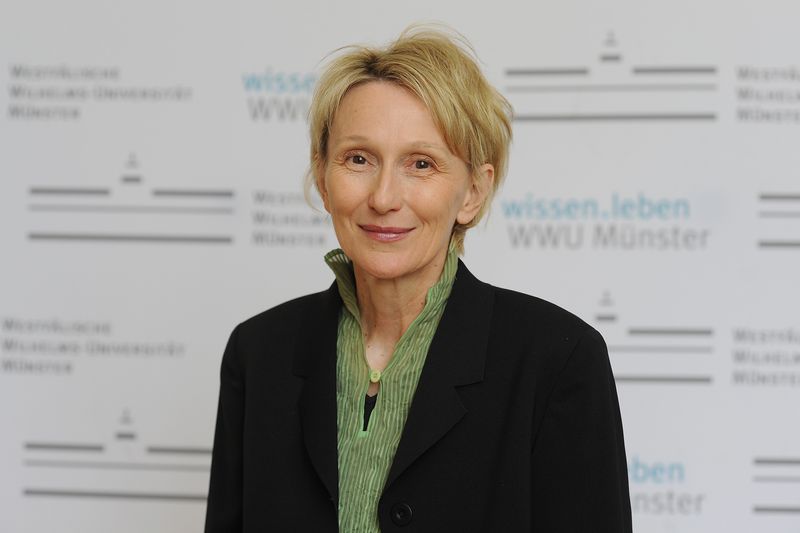
Institute director, Prof. Lydia Sorokin, was awarded an Advanced ERC grant in 2022 and
Prof. Seraphine Wegner is an awardee of an ERC Starting Grant.
Professor Rupert Hallmann established the Experimental Medicine Master Course.
The institute therefore has a strong history in research excellence and innovative teaching for medical students.’